#HLWDK Daily Health Tips: Can Blood Group Affect Pregnancy?

Q: Dr. Good evening, please I want to know if blood group can affect pregnancy or the baby, like husband 0- negative and wife in another group and if so what is the remedy? thanks.

A: Thanks for writing in.

The difference (O+ and O-) leads to a situation called Rhesus incompatibility. As a result of the difference in the Rhesus factors of the hubby and wifey, if the wife gives birth to a baby that is Rhesus Positive, her body will recognize the baby as a foreign body and thus mobilize antibodies to fight the baby. However, in a first pregnancy, this may not be a problem as this can only happen when there is mixing of mum’s and baby’s blood. This would usually happen at the time of separation of the placenta during birth. So, before the wife’s body can mount an effective response to the ‘threat’, the baby has been delivered. However, these antibodies are now ready to, more efficiently, deal with another threat as soon as it presents itself, perhaps through another pregnancy.

During a second pregnancy, these antibodies mount an attack on the cells of the baby leading to anaemia, jaundice, brain damage etc in a new baby.

However, this can be prevented by ensuring that you get an injection, Rhogam after 28 weeks of pregnancy and within 72 hours of birth. This injection deceives the woman’s body into thinking it has already produced antibodies against the baby and thus, the body technically understand, it doesn’t have to do same. The particles of Rhogam cannot cross the placenta and so baby is safe. Since you did not take this injection the first time, you need to see your doctor to advise on options.

For More on this topic please click on this:

https://chatwithdrketch.com/2014/09/07/daily-health-tips-my-hubby-is-rhesus-positive-and-i-am-rhesus-negative-is-my-baby-at-risk/

Have a good night, everyone 😀

Posted in Uncategorized | Leave a comment

Ringing in the ear: tinnitus and hearing loss – Harvard Health

‘Many people with hearing loss also have tinnitus, commonly known as ringing in the ear. This phrase is misleading, however, because some people hear ringing while others hear whistles, chirping, or a combination of sounds.‘

For more on this, please click on the link: https://www.health.harvard.edu/healthbeat/ringing-in-the-ear-tinnitus-and-hearing-loss

Posted in Uncategorized | Leave a comment

#HLWDK Daily Health Tips: What Can Help With Lubrication?

Q: Hello Dr. Ketch, I am your follower. I have a sensitive question to ask. Is there any food or natural thing I can eat to increase lubrication during intercourse? What can I use. Thanks so much for your help.

A: Vaginal dryness can occur due to variety of reasons and at any age. Usually the vagina has a thin film of fluid that coats it. This fluid helps lubrication during sexual intercourse, maintains the normal environment of the vagina preventing the overgrowth of organisms like fungi, flushing out dead cells and menstrual blood. The level of this fluid/moisture varies with the level of estrogen released in the body. During sexual intercourse, there is increased blood flow to the vaginal area leading to an increase in the volume of moisture. During menopause, however, the level of estrogen is very low leading to vaginal dryness, loss of elasticity and thinning.

The main consequence of vaginal dryness is the fact that it affects sex life such that these women experience significant pain and sometimes, bleeding. Other problems that vaginal dryness could cause include soreness, itching and burning around the vaginal area, recurrent urinary tract infections and frequency of urinating etc.

There are other conditions, other than menopause that can lead to low estrogen and consequent vaginal dryness. They include childbirth, breast feeding, cigarette smoking, some medications (like anti-estrogen drugs used to treat cancer) and douching. Douching refers to the practice of cleaning the vagina with a ‘cleansing’ fluid. For more on this topic, please click on this link: https://chatwithdrketch.com/…/daily-health-tips-what-is-dou…/

Other very common causes of vaginal dryness include a lack of foreplay during sexual intercourse, feelings of guilt, relationship issues, allergy etc

Treatment depends on cause. If it’s due to low estrogen, the focus would be on replacing this either through Hormone Replacement therapy or through the insertion of estrogen pessaries (tablets, cream or ring) into the vagina) should help. If due to rushed foreplay, there should be a conscious effort to slow down allow enough time for foreplay and sometimes, discussion with the partner may be helpful. Avoid heavily perfumed products like sanitary towels, tissues etc which may lead to irritation of the vagina and subsequent dryness etc.

I hope this helps.

Have a good night, y’all 😀


Posted in Uncategorized | Leave a comment

#HLWDK Daily Health Tips: Teen Pregnancy Prevention

The month of May is Teen Pregnancy Prevention Month. Somehow, that escaped me and I did not put up a post on that. However, this is a post I made last year on this and it is still very relevant and follows the theme of the discussions we have been having, these last few weekends on sexual and reproductive health. Enjoy!

Are you a teenager? Are you able to have honest and open conversations with your parents, guardians or mentors about issues concerning sex or contraception? Do you feel comfortable telling them your thoughts on these matters? Would they be your first place to go if you were confused about something you heard your friends or peers discuss? Who do you ask when you’re confused about anything that concerns sexual and reproductive health? And this is a broad subject that includes sex, unplanned pregnancy, STDs, HIV/AIDS, Female Genital Mutilation etc.

Parents and/or guardians, would you even consider having a discussion about sex with your teenagers? Scratch that…let’s start with when your children were younger. Did you even tell them the proper names of their private body parts? Did you tell them the full implication of coming of age as happens in puberty? Did you indulge in those half-baked stories we heard a while ago about how girls would get pregnant if a boy so much as touched their hands…provided they had started menstruating? Do you think the teenager you were talking to believed you?

As the mother of teen and tween (that twilight zone before the real teens) 😀 daughters (update…daughter 2 is now a teenager :D), I absolutely confess that it wasn’t as easy to have that chat with my first daughter as it was to give it to other teenagers. It got easier though and with my second daughter, and now we can all discuss all aspects of reproductive health without cringing, mentally or physically 😀 My son still struggles…but we’re getting there 😀

The US Department of Health and Human Services points out that the following groups of teenagers are less likely to get pregnant or get someone else pregnant:

• Those who have supportive parents that they can freely communicate with
• Those who have healthy family and peer relationships
• Those who have proper understanding of sexual and reproductive health
• Those who have knowledge of contraception and the importance of abstinence.
Teenagers more at risk of getting pregnant include
• Those that live in unstable homes (financially or emotionally)
• Those who were born to teenage mothers
• Those who use drugs of addiction. Remember that using these messes with good judgement
• Those who have sex at a young age
• Those with low self esteem.

Now, remember that risk factors are just as the name implies…factors that increase your risk 😀 It does not follow that people who live in homes with conflict must have teenage pregnancies. No! It just means they need to be aware of their increased risk (loaded gun) and be sure not to pull the trigger…and get pregnant.

So, if you’re a teenager, who taught you about sexual health? Is this discussed in your school and can you ask your parents questions?

If you’re a parent, are you providing adequate information and a safe home environment where your children can thrive in all ways? Are you comfortable discussing these issues with your children? Are you aware that if you’re not providing this education yourself, you’re probably allowing your teenager to learn from his friends and/or the internet…where he/she may very well be learning all the wrong things!

I trust I have provided a lot of food for thought. Write in and let me know what you think.

For related posts, please click on these:
https://chatwithdrketch.com/2014/08/05/daily-health-tips-depression-masturbation-and-over-protective-parenting/

https://chatwithdrketch.com/2014/12/03/daily-health-tips-should-i-teach-my-daughter-the-proper-name-for-private-parts/

https://chatwithdrketch.com/2014/12/04/daily-health-tips-when-should-my-husband-stop-bathing-our-daughter/

Have a great day y’all 😀

Posted in Uncategorized | Leave a comment

#HLWDK Saturday Recipe: Banana Fritters Using Plantains/Bananas That Have Gone Soft

https://www.instagram.com/p/BZYJdjXly6L/?taken-by=ddrketch

Posted in Uncategorized | 1 Comment

5 foods that fight high cholesterol – Harvard Health

chatwithdrketch's avatarchatwithketch

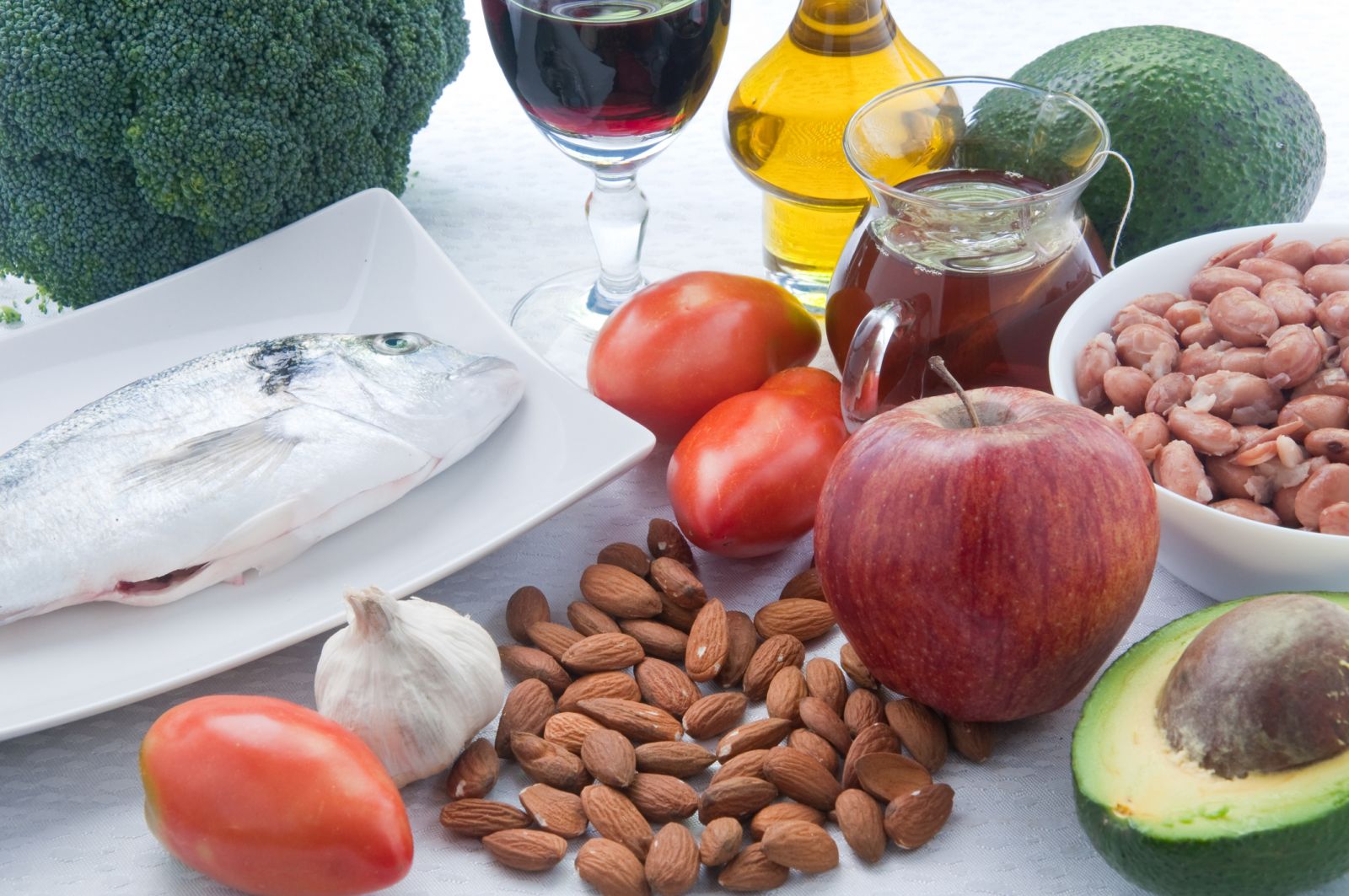
It’s easy to eat your way to an alarmingly high cholesterol level. And the reverse is true too — changing what you eat can lower your cholesterol and improve the composition of the armada of fats floating through your bloodstream. Fresh fruits and vegetables, whole grains, and “good fats” are all part of a heart-healthy diet. But some foods are particularly good at helping bring down cholesterol.

Please click the source link below for details:

http://www.health.harvard.edu/healthbeat/5-foods-that-fight-high-cholesterol

View original post

Posted in Uncategorized | Leave a comment

11 foods that lower cholesterol – Harvard Health

chatwithdrketch's avatarchatwithketch

If your diet gave you high cholesterol, it can lower it, too

foods that lower cholesterolIt’s easy to eat your way to an alarmingly high cholesterol level. The reverse is true, too — changing what you eat can lower your cholesterol and improve the armada of fats floating through your bloodstream.

Doing this requires a two-pronged strategy: Add foods that lower LDL, the harmful cholesterol-carrying particle that contributes to artery-clogging atherosclerosis. At the same time, cut back on foods that boost LDL. Without that step, you are engaging in a holding action instead of a steady — and tasty — victory.

Details of this article can be found through this link: http://www.health.harvard.edu/heart-health/11-foods-that-lower-cholesterol?utm_source=delivra&utm_medium=email&utm_campaign=GB20160803-Cholesterol&utm_id=214939&mid=11052531&ml=214939

View original post

Posted in Uncategorized | Leave a comment

Daily Health Tips: Vaginal Farts Re-Visited

Q: Hello Dr. Ketch, Kudos to you, for the time you spend in educating us. I must say, you are doing a great job. My question, is about the chances of tightening the loosed vaginal; which happened as a result of delivery or vaginal tears after delivery, which is not needled. Can it be naturally tightened? Please tag me or get me noted, when you treat my question. Thank you doctor.

chatwithdrketch's avatarchatwithketch

Q: Good evening Dr, God bless you more for the good works. Please is it possible for someone that gave birth 6 years ago to go back to the doctor because of the cut they gave her for them to sew to back. She said that her body is too open, some times she hear some sound from her virgin. Please she need your advice. Thank you Ma’am.
 
A: Why do you think that the cut needs to be sewn again? Is that because you feel loose down there or because you have experienced the quite embarrassing vaginal farts? 😀 Vaginal farts are much more common than you may think. However, many women would rather not talk about it because, it may be somewhat embarrassing! Vaginal farts occur when the vaginal walls expand, pulling in lots of air, and then collapse back to release this air. They are usually…

View original post 222 more words

Posted in Uncategorized | Leave a comment

New study says that it’s okay to let babies cry at night – Harvard Health

Many mothers, especially first timers, feel guilty about letting their babies cry. But, hey! Here’s some good news! Maybe it’s okay to let them cry!

https://www.health.harvard.edu/blog/new-study-says-okay-let-babies-cry-night-201605319774

Posted in Uncategorized | Leave a comment

Feeling okay about feeling bad is good for your mental health – Harvard Health

‘When you have a negative emotion, are you upset or disappointed in yourself? Do you feel “bad” or “guilty” about this emotion?’

Well, this blog post says you just may be at risk for poorer longer-term psychological health. Read!

https://www.health.harvard.edu/blog/feeling-okay-about-feeling-bad-is-good-for-your-mental-health-2017091412398

Posted in Uncategorized | Leave a comment